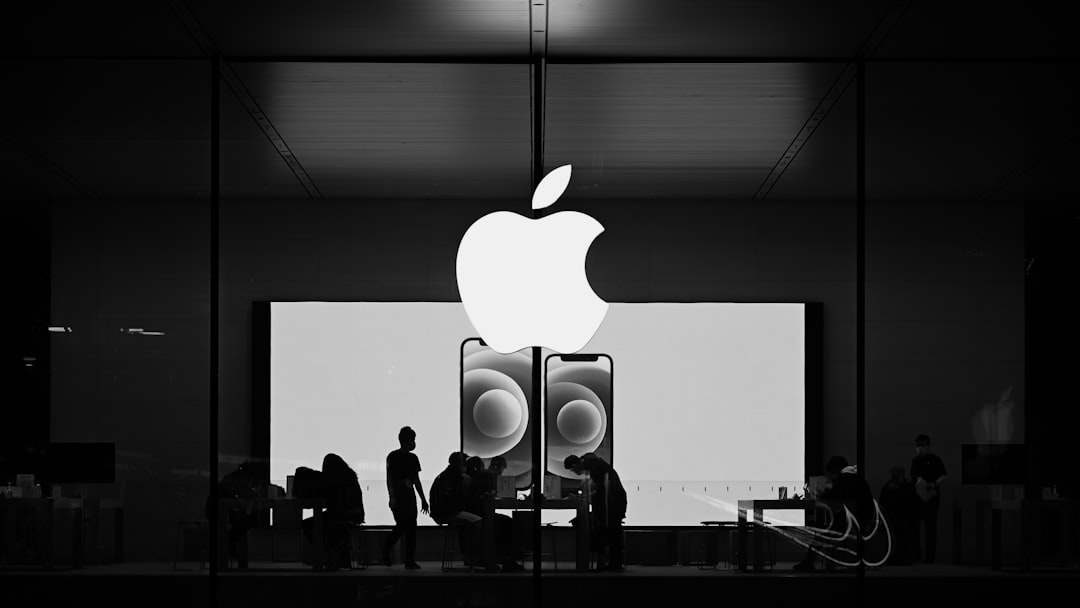
Apple held its latest event this week, announcing a slate of hardware refreshes and software features across iPhone, iPad, Mac, and wearables. The company focused on incremental improvements to existing product lines rather than category-defining new devices—a pattern that has defined Apple's cadence since 2022.
What Shipped
The centerpiece was a new iPhone model with an updated A-series processor and camera system. According to Apple's technical specifications, the chip delivers a 15–20% performance bump in CPU workloads and 25% gains in GPU-bound tasks compared to last year's generation. The camera system added a new sensor with improved low-light performance and computational photography features powered by on-device machine learning.
Apple also announced iPad Pro updates with the same processor, thinner bezels, and a new magnetic charging connector for the Apple Pencil. The company positioned these as tools for creative professionals, emphasizing video editing and 3D design workflows.
On the Mac side, Apple refreshed the MacBook Air and Mac mini with the latest M-series chip. The Air gained a thinner chassis (down to 2.3 mm at the thinnest point) and a brighter display. The Mac mini received a redesigned chassis, more ports, and support for up to 36 GB of unified memory—a first for the line.
Apple Watch received new health sensors focused on blood pressure monitoring and wrist temperature tracking. The company announced these features would roll out over several months via software updates, with FDA clearance still pending for some markets.
Software and Services
On the software front, Apple previewed the next version of iOS with on-device AI features branded as "Apple Intelligence." The company emphasized privacy—processing happens locally on device rather than on Apple servers. Features include writing assistance, photo organization, and a smarter Siri that understands context within apps.
The company also expanded its Services lineup, bundling fitness, news, and storage offerings at a lower price point. According to Apple's investor materials, Services revenue grew 12% year-over-year in the last quarter, making it a key growth lever as hardware sales plateau.
Why It Matters
Apple's event signals the company's strategic pivot toward incremental hardware gains paired with software-driven differentiation. The focus on on-device AI reflects industry-wide pressure to compete with generative AI features—but Apple's approach prioritizes privacy over raw capability, a positioning that resonates with its premium customer base.
Analysis: The M-series Mac updates are significant for professionals. The Mac mini's redesign and expanded memory ceiling challenge workstation pricing from competitors like Dell and Lenovo. For creatives, the combination of faster chips and improved displays justifies upgrade cycles, though base-model pricing remains steep ($1,299 for Mac mini, $1,199 for MacBook Air).
The health sensor announcements on Apple Watch underscore Apple's ambition in healthcare. Wrist-based blood pressure monitoring is a technical achievement—it requires precise optical sensing and algorithmic validation. FDA approval is not guaranteed, and rollout timelines are vague, but if successful, this could lock in users to Apple's ecosystem for years.
The iOS AI features are Apple's answer to competitors' chatbots and copilots. By keeping processing on-device, Apple avoids the privacy concerns that plague cloud-based AI. However, on-device models are less capable than server-side alternatives, a tradeoff the company is explicitly making.
Pricing and Availability
All products are available for pre-order this week, with general availability starting in 10–14 days. Pricing follows Apple's historical patterns: the new iPhone starts at $799 for the base model, with Pro variants reaching $1,199. iPad Pro pricing begins at $999. Mac mini starts at $599 (a $100 increase from the previous generation).
Apple did not announce trade-in incentives beyond its standard programs, signaling confidence in upgrade demand despite recent reports of slowing iPhone sales in key markets.
Reaction and Context
Analysts were measured in their response. According to research firm IDC, the updates are "competent but not compelling" for consumers without existing Apple hardware. Barclays analysts noted that the M-series refresh cycle is maturing, with year-over-year performance gains plateauing around 15–20%—sufficient for professionals but not game-changing for casual users.
Competitor responses were muted. Microsoft highlighted Surface device pricing advantages and Windows AI integration. Google emphasized Pixel phone capabilities in computational photography, an area where it has long competed with Apple. Neither announced immediate counter-events.
On social media and tech forums, reactions split along familiar lines: Apple enthusiasts praised the design refinements and privacy-first AI approach, while critics noted the lack of major innovation and pointed to rising prices as a barrier to upgrade.
What's Next
Apple's next major event is expected in spring 2025, likely focused on iPad and Mac refreshes. The company has historically announced new product categories (AirPods, Apple Watch, Vision Pro) in September or October, so watch for announcements in those windows.
In the near term, the rollout of Apple Intelligence features will be critical to watch. The company promised broad availability by year-end, but regulatory delays (particularly around health features) could push timelines into 2025. If the AI features deliver on privacy promises while matching competitor capabilities, adoption could be strong. If they fall short—either in privacy protection or functionality—the marketing advantage evaporates.
The Mac mini redesign and expanded memory support could reshape the professional market. If third-party developers optimize for the new hardware and price-to-performance ratio, the mini could cannibalize sales of higher-margin MacBook Pro and iMac models—a risk Apple has historically managed carefully.
Finally, keep an eye on Services growth. Apple's bundling strategy and price cuts suggest the company is prioritizing subscriber volume over margin in that category. If that trend continues, it signals Apple's belief that hardware margins are under pressure and Services represent the next growth frontier.