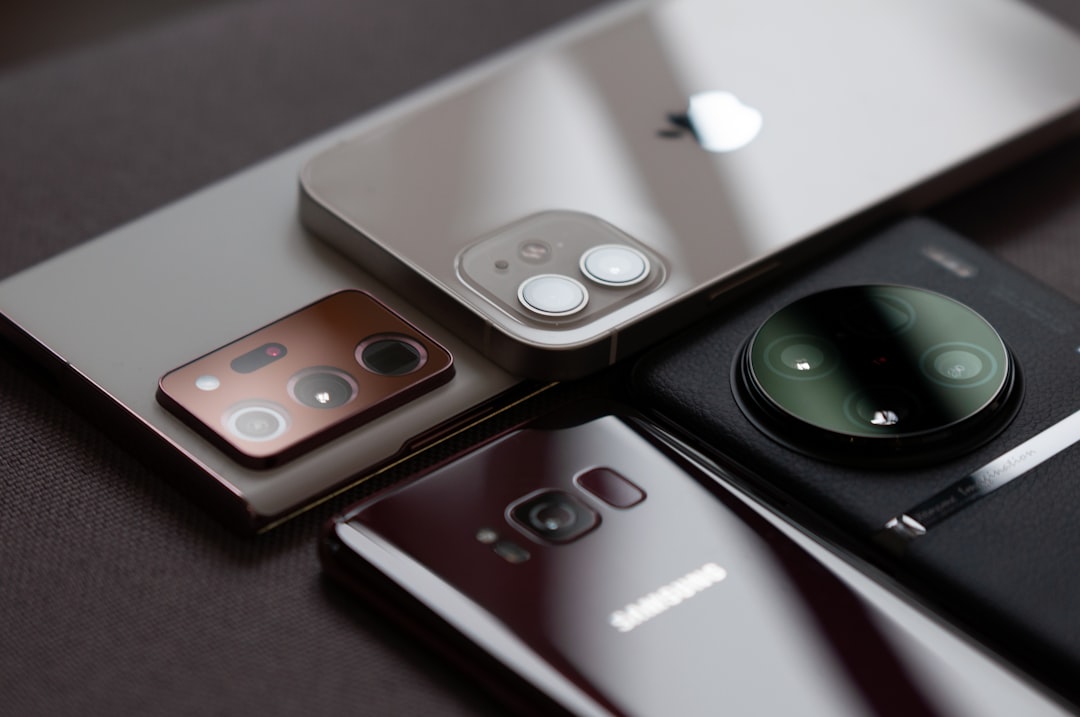
Most of 2024's latest smartphone announcements 2024 followed the same tired script: marginally faster chips, slightly better cameras, and AI features nobody asked for. But buried in the noise, a few devices actually matter.
The Year of Incremental Gains
Apple, Samsung, Google, and OnePlus all shipped flagship phones in 2024. None of them rewrote the rulebook. What you got instead: processor bumps (A18 Pro, Snapdragon 8 Gen 3 Leading Version), camera refinements that matter only in controlled light, and a wave of "AI" features that mostly meant on-device processing of tasks your phone already did.
The real story? Battery life stagnated. Screen tech plateaued. Innovation moved sideways.
Apple iPhone 16 Pro (September 2024)
Apple's latest smartphone announcement shipped the A18 Pro, a 3-nanometer chip with faster neural engine and dedicated AI processing. On paper, impressive. In practice? The iPhone 15 Pro still does 99% of what you need.
The camera system got a new 12MP ultra-wide with macro mode and better video stabilization. Photo quality improvements are real but subtle—you'll notice in pixel-peeping, not in your Stories. The 120Hz ProMotion screen is now standard across the Pro line, not exclusive to Max.
Price stayed flat: $999 for the 128GB base model. That's the play—no price hike, incremental features. If you're on an iPhone 14 or older, the camera and battery life justify the jump. On an iPhone 15? Wait another year.
Samsung Galaxy S24 Ultra (January 2024)
Samsung shipped the S24 Ultra with Snapdragon 8 Gen 3 Leading Version (yes, that's the actual name). It's fast. Benchmarks prove it. Real-world performance? Indistinguishable from the S23 Ultra in everyday use.
The camera bump was meaningful: 200MP main sensor with improved night mode, 50MP telephoto with better zoom quality. Samsung's computational photography is sharp—they've been refining it for years. Video recording at 8K is now standard, though it eats storage like nothing else.
The 6.8-inch display got brighter (3,000 nits peak), which matters if you use your phone in direct sunlight. Most people don't notice the difference indoors.
Starting price: $1,299. That's $100 more than the iPhone 16 Pro Max, which is wild for a non-Apple device. Samsung's betting on brand loyalty and the stylus (S Pen included). If you've already committed to Samsung's ecosystem, the S24 Ultra is the logical upgrade. Otherwise, the S23 Ultra is still plenty.
Google Pixel 9 Pro (October 2024)
Google's latest smartphone announcement brought the Tensor G4 chip and, predictably, a focus on AI. Their computational photography remains the best in the business—Pixel phones take better photos than the hardware alone suggests possible.
Magic Eraser got better. Best Take (select the best face from multiple photos automatically) actually works now. Add Note to Photos (write directly on pictures) is useful for annotating screenshots. None of this is revolutionary, but it's practical.
The 6.3-inch OLED display is excellent. Battery life hit 24 hours of heavy use, which beats both Apple and Samsung. The Tensor G4 is slower than Snapdragon and A18 Pro in benchmarks, but Google's software optimization makes it feel snappy.
Price: $999 for the base Pro model. That's competitive with iPhone 16 Pro. If you care about photography and don't need a stylus, Pixel 9 Pro is the move. If you're on a Pixel 8 Pro, skip this generation.
OnePlus 13 (October 2024, China first)
OnePlus shipped the 13 with Snapdragon 8 Gen 3 Leading Version and a 50MP ultra-wide camera with macro focus. The phone is thin (8.5mm) and light (213g), which matters if you actually hold your phone for hours.
Battery capacity jumped to 6,000mAh with 100W charging. In testing, the 13 hits two full days of moderate use—genuinely impressive. The 120Hz AMOLED display is bright and smooth.
Price in China: starting at 4,899 yuan (~$675 USD). OnePlus didn't announce a global release date at launch, which is typical for them. If it ships worldwide, it's the value play—flagship specs at mid-range pricing.
What Actually Matters in 2024's Announcements
Camera improvements are real but incremental. The gap between a 2023 flagship and 2024 flagship is smaller than the gap between 2022 and 2023. Night mode is better. Zoom is cleaner. In normal light, honestly, you won't see the difference.
Processor speed is marketing. All four chips mentioned above are overkill for messaging, email, and social media. Gaming and video editing benefit, but most people don't do that on phones.
Battery life matters more. OnePlus 13 and Pixel 9 Pro both hit two days with moderate use. That's a win. iPhone 16 Pro hits about 1.5 days. Samsung S24 Ultra is similar to iPhone.
AI features are mostly hype. On-device processing is nice for privacy, but most of these features (generative fill, photo editing) existed before 2024. The marketing just got louder.
The Upgrade Decision
If you're on a 2022 phone or older: upgrade. The jump in battery life and camera quality is worth it.
If you're on a 2023 flagship: wait. 2024's improvements don't justify $1,000. Your phone still works fine.
If you're on a 2024 phone: definitely wait. The 2025 announcements will be here in nine months.
The real story of latest smartphone announcements 2024 isn't what shipped—it's how little changed. Phones are mature. Meaningful innovation requires rethinking form factor, battery chemistry, or display tech. None of 2024's flagships did that. They optimized, refined, and charged premium prices for incremental gains.
That's not innovation. That's business as usual.
What to Do Tomorrow
If your phone is two years old or older and you use it daily, a 2024 flagship makes sense. Pixel 9 Pro if you value photography. iPhone 16 Pro if you're in Apple's ecosystem. Galaxy S24 Ultra if you want a stylus and Samsung's features. If you're also running a website on a budget, it's worth understanding managed WordPress hosting vs shared hosting before committing to a plan that can't keep up with your traffic.
If your phone is less than two years old, keep it. The 2025 announcements are coming, and they might actually matter. Until then, your current device is fine.
Latest smartphone announcements 2024 proved one thing: the phone market is saturated. Manufacturers are fighting for scraps. That's actually good news for you—it means older flagships are cheaper and still perform well. Stop chasing the latest. Buy when your phone breaks, not when the marketing team says you should.