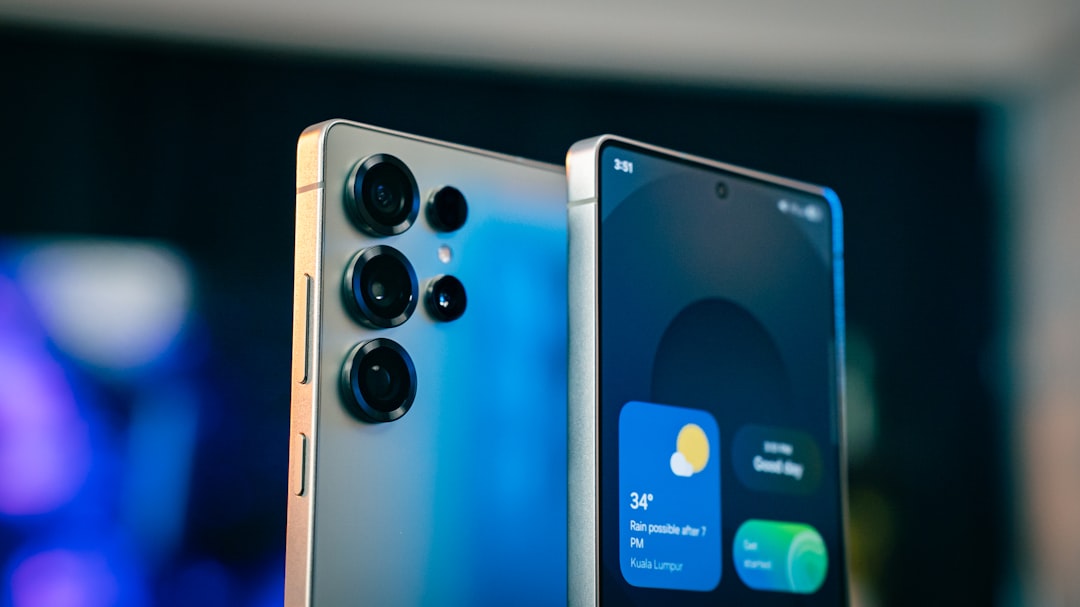
Apple, Samsung, Google, and OnePlus delivered significant flagship updates in 2024, each targeting different segments of the premium smartphone market. The latest smartphone releases 2024 span from spring announcements through the fall refresh cycle, introducing faster processors, improved cameras, and AI-powered features across the board.
Apple iPhone 16 Series
Apple released the iPhone 16, iPhone 16 Plus, iPhone 16 Pro, and iPhone 16 Pro Max in September 2024. All models feature the A18 chip, a new processor built on a 3-nanometer process with improved power efficiency. The Pro variants use the A18 Pro, adding an extra GPU core and Neural Engine upgrades for on-device AI tasks.
The camera system received incremental improvements. Standard models retain the dual-lens setup, while Pro versions gain a 12-megapixel ultrawide and enhanced zoom capabilities. Apple introduced the Camera Control button on all four models—a physical key for quick access to photo and video modes.
Battery life increased modestly across the lineup. iPhone 16 Pro Max claims up to 33 hours of video playback, up from 29 hours in the iPhone 15 Pro Max. All models support Wi-Fi 7 and USB 3 speeds via the Lightning connector on standard models and USB-C on Pro variants.
Why it matters: The A18 series represents Apple's continued focus on computational photography and AI processing without relying on cloud services. The Camera Control button signals a shift toward hardware-first design for frequent functions.
Samsung Galaxy S24 Series
Samsung launched the Galaxy S24, S24+, and S24 Ultra in January 2024 with the Snapdragon 8 Gen 3 Leading Version processor (in most markets). The lineup emphasizes AI features branded as "Galaxy AI," including on-device generative tools for photo editing, summarization, and call transcription.
The S24 Ultra features a 200-megapixel main sensor and 50-megapixel ultrawide—a significant jump from the S23 Ultra's 48-megapixel setup. All three models support 8K video recording at 30 frames per second. Samsung's Vision Booster display technology increased peak brightness to 3,000 nits in the Ultra model, addressing outdoor visibility concerns from previous generations.
Storage configurations start at 256GB across all models. The S24 and S24+ ship with 12GB of RAM; the Ultra includes 12GB as standard with options up to 16GB. Battery capacity increased slightly: the S24 Ultra holds 5,000 mAh, up 100 mAh from the S23 Ultra.
Why it matters: Samsung's Galaxy AI suite represents the first large-scale deployment of on-device generative features on Android, positioning the company ahead of competitors in practical AI integration. The camera sensor upgrade addresses long-standing criticism of the Ultra's image quality compared to iPhone flagships.
Google Pixel 9 Series
Google announced the Pixel 9, Pixel 9 Pro, Pixel 9 Pro XL, and Pixel 9 Pro Fold in August 2024. All models use Google's custom Tensor G4 chip, featuring a dedicated AI accelerator for Gemini integration. The Pro models introduce a quad-camera system with a 42-megapixel telephoto lens—the highest magnification Google has shipped.
Google emphasized computational photography improvements, particularly in low-light performance and zoom quality. The Pixel 9 Pro XL features a 6.8-inch display with a 120Hz refresh rate and improved brightness at 3,000 nits peak. The standard Pixel 9 shrinks to a 6.3-inch screen, targeting users who prefer compact flagships.
The Pixel 9 Pro Fold received the most significant update since its 2023 debut. The inner display expanded to 8 inches, and the outer screen increased to 5.8 inches. Google redesigned the hinge mechanism to reduce the crease visibility and improve durability ratings. The device now supports official water resistance up to IPX8.
Why it matters: Google's Tensor G4 prioritizes AI workloads over raw processing power, betting that specialized silicon for machine learning will matter more than clock speeds. The Pixel 9 Pro Fold's refinements signal Google's commitment to foldable phones after early skepticism from reviewers and consumers.
OnePlus 12 and 13 Series
OnePlus released the OnePlus 12 in December 2023 (early 2024 in some markets) and announced the OnePlus 13 in October 2024. Both models feature Snapdragon flagship processors—the 8 Gen 3 Leading Version and 8 Gen 3 Leading Version respectively—paired with up to 16GB of RAM and 512GB storage.
The OnePlus 12 introduced a redesigned camera module with a 50-megapixel main sensor and Hasselblad tuning. The OnePlus 13 refined the design further, adding a periscope telephoto lens with 3x optical zoom. Both models ship with OxygenOS, OnePlus's Android fork, optimized for performance and minimal bloatware.
OnePlus emphasized charging speed across both models. The OnePlus 12 supports 100W wired charging and 50W wireless charging. The OnePlus 13 matches these figures while improving thermal management during extended charging sessions.
Why it matters: OnePlus's focus on fast charging and clean software appeals to power users frustrated by Samsung's bloat and Apple's walled ecosystem. The OnePlus 13's periscope telephoto brings zoom capabilities previously exclusive to Ultra-tier flagships to a mid-flagship price point.
Motorola Edge 50 and Other Updates
Motorola shipped the Edge 50 series in spring 2024, featuring the Snapdragon 8 Gen 3 Leading Version and a focus on clean Android with minimal customization. The Edge 50 Pro includes a 50-megapixel main camera with Zeiss optics and a 12-megapixel periscope zoom lens.
Notable mid-range releases included the Samsung Galaxy A55 (January 2024) with the Exynos 1380 processor, and the Google Pixel 8a (October 2024) with Tensor G4, targeting budget-conscious buyers who want AI features without flagship pricing.
Why it matters: Motorola's Edge 50 series proved that stock Android and competitive specs could carve market share from Samsung's mid-range dominance. The Pixel 8a democratized Google's AI tools, bringing Gemini and Magic Eraser to sub-$500 devices.
What's Next
Looking ahead, expect late 2024 and early 2025 releases to refine AI integration further. Rumors suggest Apple will introduce more on-device generative features in iOS 18.2 and beyond. Samsung is likely to expand Galaxy AI across its entire lineup, not just flagships. Google may launch a Pixel 9a in early 2025, continuing its affordable flagship strategy.
Foldable phones remain a focus for Samsung, Google, and OnePlus. Expect improved durability ratings, thinner bezels, and reduced crease visibility as the technology matures. Camera innovation will likely plateau at the flagship level, with gains concentrated in computational processing rather than sensor megapixel counts.
Battery technology and thermal management will become differentiators as processor power consumption plateaus. Manufacturers will compete on charging speed, heat dissipation during gaming, and real-world endurance claims verified by independent testing.